
Healthy Parenting
Resources
Denver Indian Family Resource Center
Denver Indian Family Resource Center
Family Spirit Nurture
Colorado Department of Early Childhood
Colorado Teen Parent Collaborative
What is a Native family?
In many Native communities, parents rely on support from their larger family and community members. Native parenting can be different from typical styles of American parenting. It:
- Shows kids how to act by parents modeling behaviors themselves and sharing stories.
- Protects kids but also lets them take risks and learn from their mistakes.
- Shares responsibilities among the family, and everyone contributes, including extended family.
- Helps kids grow emotionally and spiritually while learning about their culture.
- Encourages kids to work with others and build strength by helping the people around them.
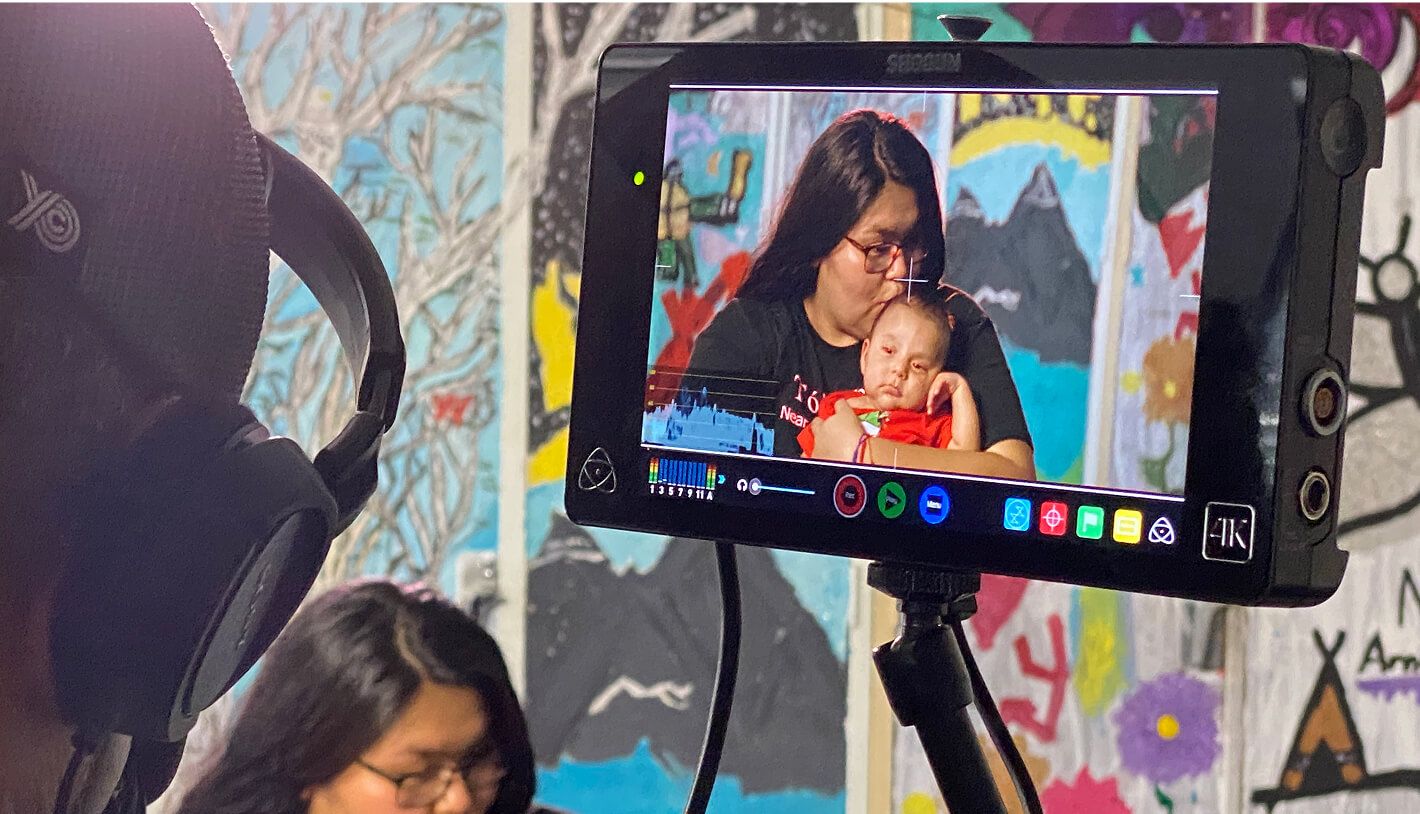
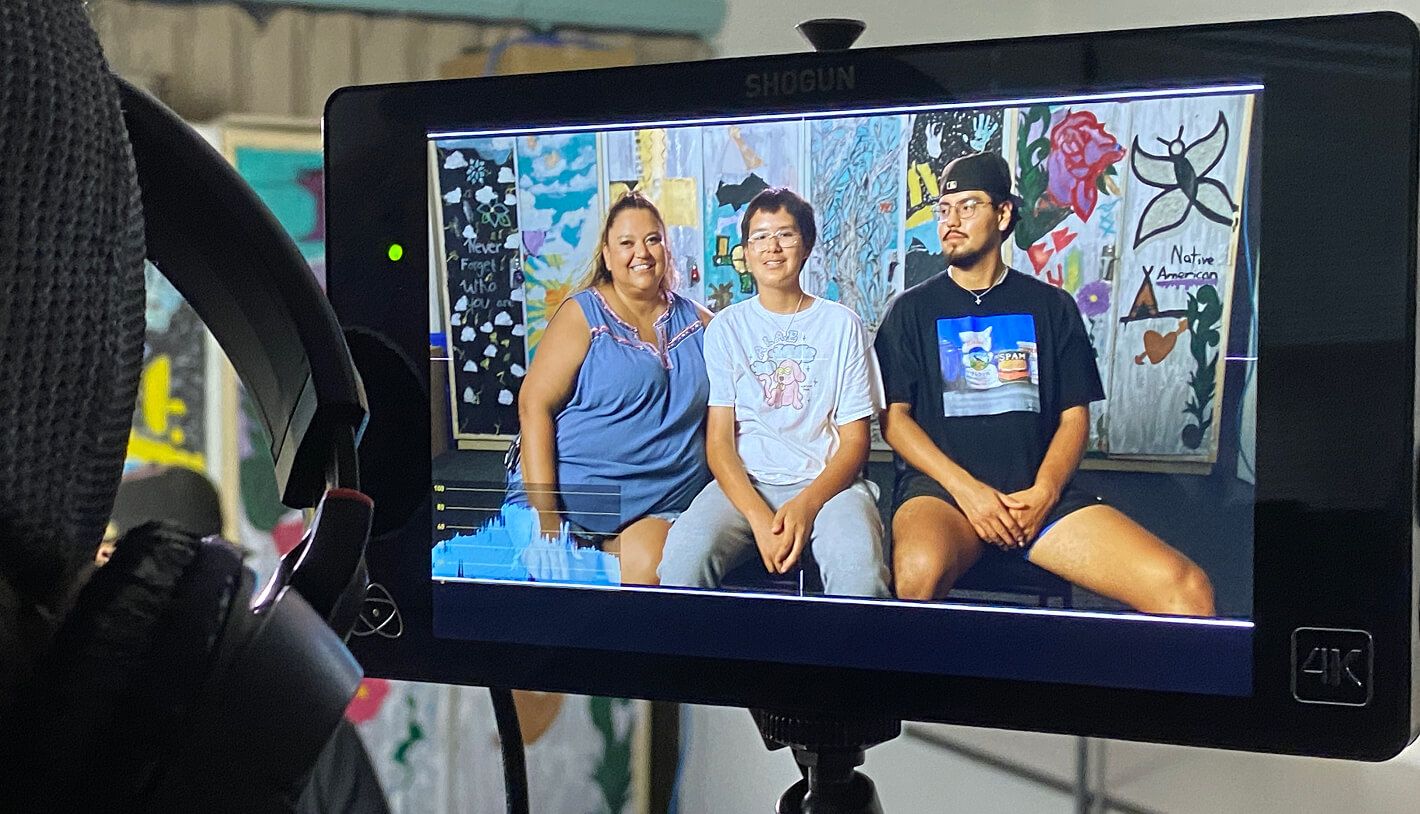
What are the qualities of a Native family? While those may differ for each person, the 303 Indigenous Productions producers have some ideas based on their own experiences. Do you agree? Let us know.
Being a parent is about preparing a child for life. There are a lot of opinions out there about parenthood (you’ve probably heard them from your parents, your aunties, cousins, and others in the community!), but always remember that you know your child best. Here are some tips to grow your parenting and coping skills1:
Show how much families can love each other
- Make time every day to connect with your children with a hug, a smile, or even a song.
- Take interest in what each family member is doing—ask and answer questions.
Parenting is part natural and part learned
- Subscribe to a magazine, website, or online newsletter about child development.
- Sign up for the free Denver Indian Family Resource Center Nurturing Parenting Program.
- Sit and observe what your child can and cannot do and discuss concerns with the family doctor, your child’s teacher, and/or friends.
- Participate in educational teachings offered at tribal events.
It takes courage to endure stress and bounce back from challenges
- Make time for quiet time: take a bath, write, meditate, practice your medicines.
- Exercise: walk, do yoga, lift weights, and/or dance.
- Surround yourself with people who support you and make you feel good about yourself.
Friends, relatives, and neighbors can help out and provide emotional support
- Set aside a regular time each week for your children to speak with friends and relatives.
- Participate in neighborhood activities.
- Join an online or in-person support group of parents with children of similar ages.
- Attend ceremonial dance gatherings or Talking Circles.
- Identify relatives your child trusts and bring them into their lives.
Know where to find help if and when needed
- Make a list of people or places to call for support. Review the resources on this website, too!
- Dial 2-1-1 to find out about organizations that support families in your area.
- Identify extended family members you can lean on and who can lean on you.
- Consult with tribal elders.
Let children know they are loved, make them feel like they belong, and encourage them to get along with others
- Provide regular routines, especially for young children and inform caretakers about routine mealtimes, naps, and bedtime.
- Model healthy relationships for them and nurture healthy relationships in their life.
- Let them help with picking their regalia and when they dance, praise them for practicing traditional values.
What’s your reaction?
Your reaction has been submitted
- StrongHearts Native Helpline, 2020