
Healthy Parenting
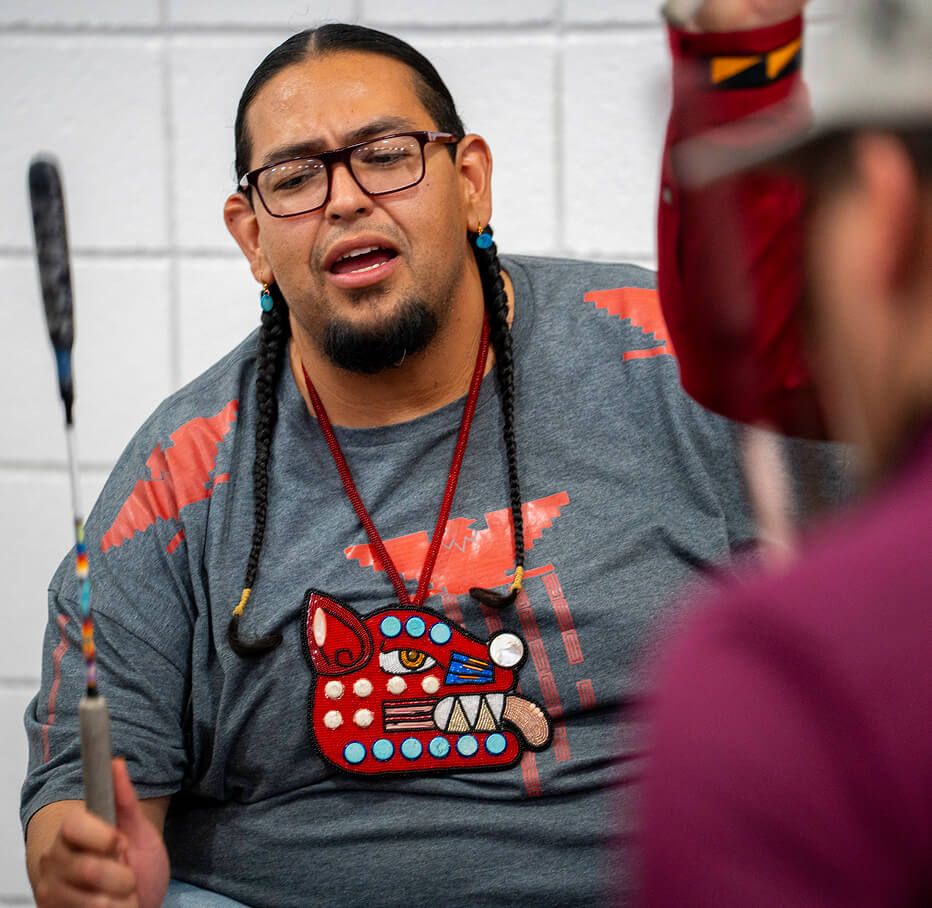
How can I be an involved dad?
If you had a father when you were growing up, what did you call him? If you didn’t, what would you have wanted to call him? What does your kid call you now?
There are several different types of fathers:
- Biological Father—The man who genetically created the child from his sperm.
- Legal Father—The man recognized by law to be the father of the child.
- Dad or Father-Figure—The man who is emotionally engaged with his child–nurturing, guiding, and supporting. Sometimes this is a grandfather, step-father, uncle, or other family member.
To live in harmony we must take care of one another and trust each other. As a Native father, you can show your child what it means to live with honor and strength. Children who grow up with involved fathers are less likely to live in poverty and more likely to graduate high school.
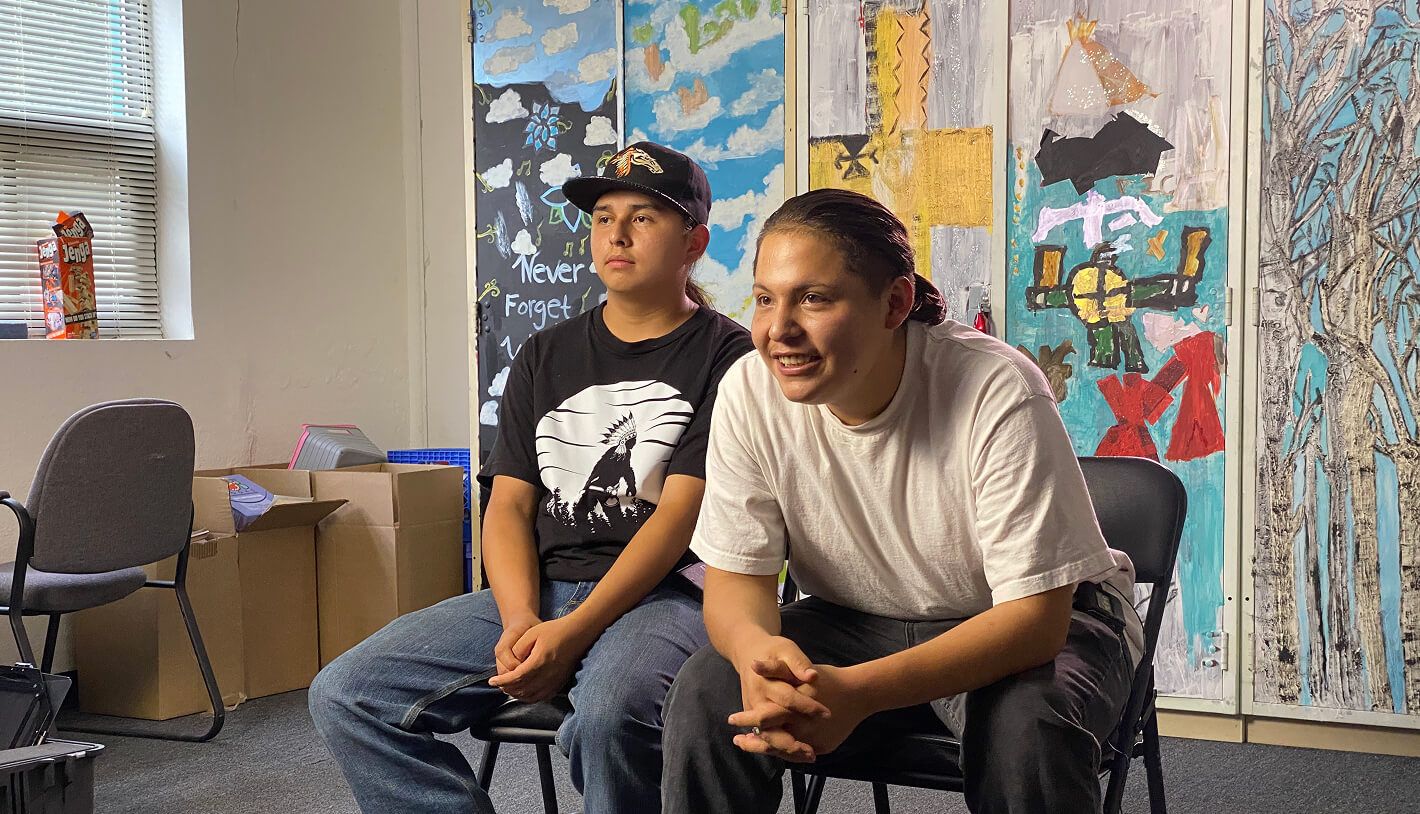
What is a “good” dad? The 303 Indigenous Productions youth producers share what kind of dad they have and how his presence—or lack thereof—affected them. What about you? What kind of dad do you want to be? Let us know.
If you’re looking for ways to be a more involved dad, consider these ideas1,2:
- Be present—If you always seem too busy for your child, they will feel neglected no matter what you say. Listening helps your child feel respected and understood. If you can’t see them in person, stay connected through phone calls, texts, emails, and FaceTime.
- Be a teacher and a playmate—Teach your child about right and wrong and encourage them to do their best. Help your child with homework and encourage them to choose different activities they enjoy.
- Be loving and affectionate—Sometimes showing affection can be difficult for men, especially if you didn’t grow up with a father who showed affection to you. Hold and kiss your newborn baby, and continue to give your child lots of love and affection as they grow older to help them feel secure and attached to you.
- Be a role model—Treat others with kindness and respect. You can also teach your child humility by admitting when you make a mistake. After all, no parent is perfect!
- Be supportive—Provide for your child financially and emotionally. In addition to paying your child support, if you have a child support order, do household chores and teach your child how they can pitch in, too. Nurture your child and expose them to ceremonies and gatherings.
- Develop a positive co-relationship with your child’s other parent—This can be hard. You’ll go through a lot of ups and downs with your child’s other parent while they grow up. When children see their parents respecting each other, they are more likely to feel they are also accepted and respected.
- Join a fatherhood program. The Denver Indian Center's Honoring Fatherhood Program is free to join. The program helps fathers grow to be more balanced in the physical, emotional, mental, and spiritual areas of their being, and to teach their kids all of those elements.
What’s your reaction?
Your reaction has been submitted
- National Fatherhood Initiative, 10 Ways To Be A Better Dad, July 2, 2014.
- National Responsible Fatherhood Clearinghouse, 10 Tips for Being a Great Dad.