
Strengthening My Relationship
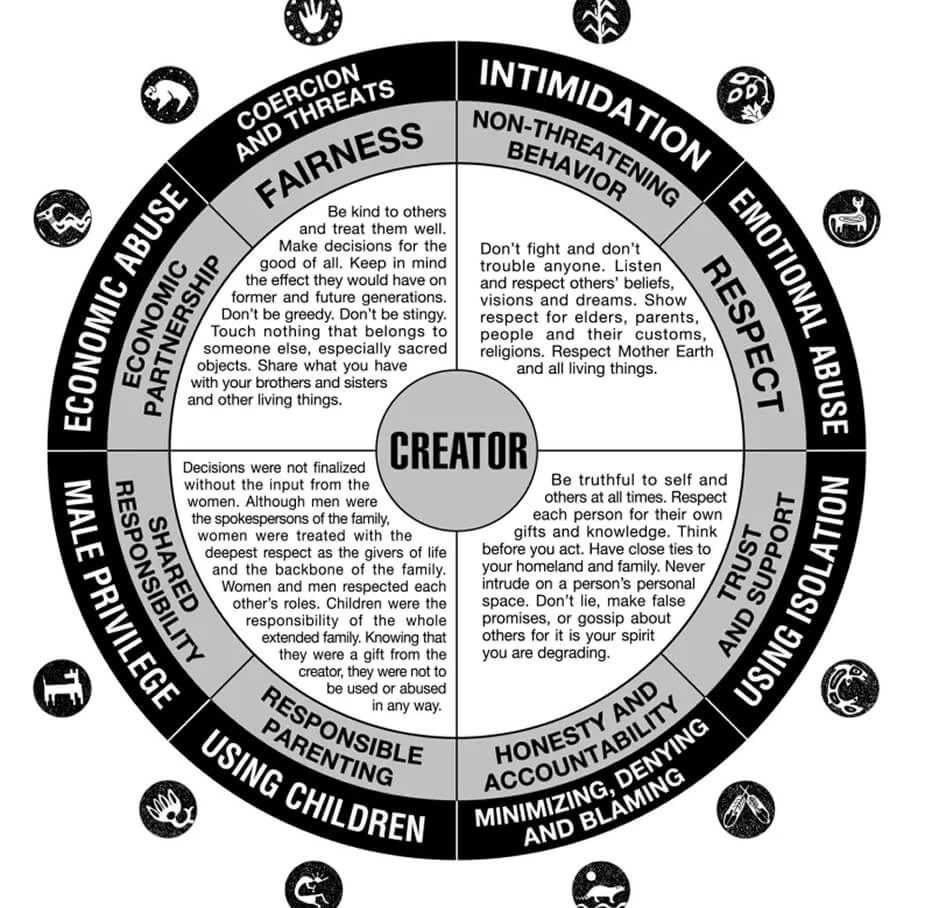
Creator Wheel
New York State Coalition Against Domestic Violence
How do I know if my relationship is healthy—for me and my child?
Parenthood changes a romantic relationship. You and your partner may have less time for each other because it’s no longer just the two of you. If you have a child and bring a partner into your life, it can take time for your child to adjust to this new person.
When a relationship is unhealthy, it impacts you and your child. Things like resolving conflict and respecting each other’s values get more difficult. Growing up around a healthy adult relationship helps a child build healthy relationships as they get older because they are more likely to model what they see.
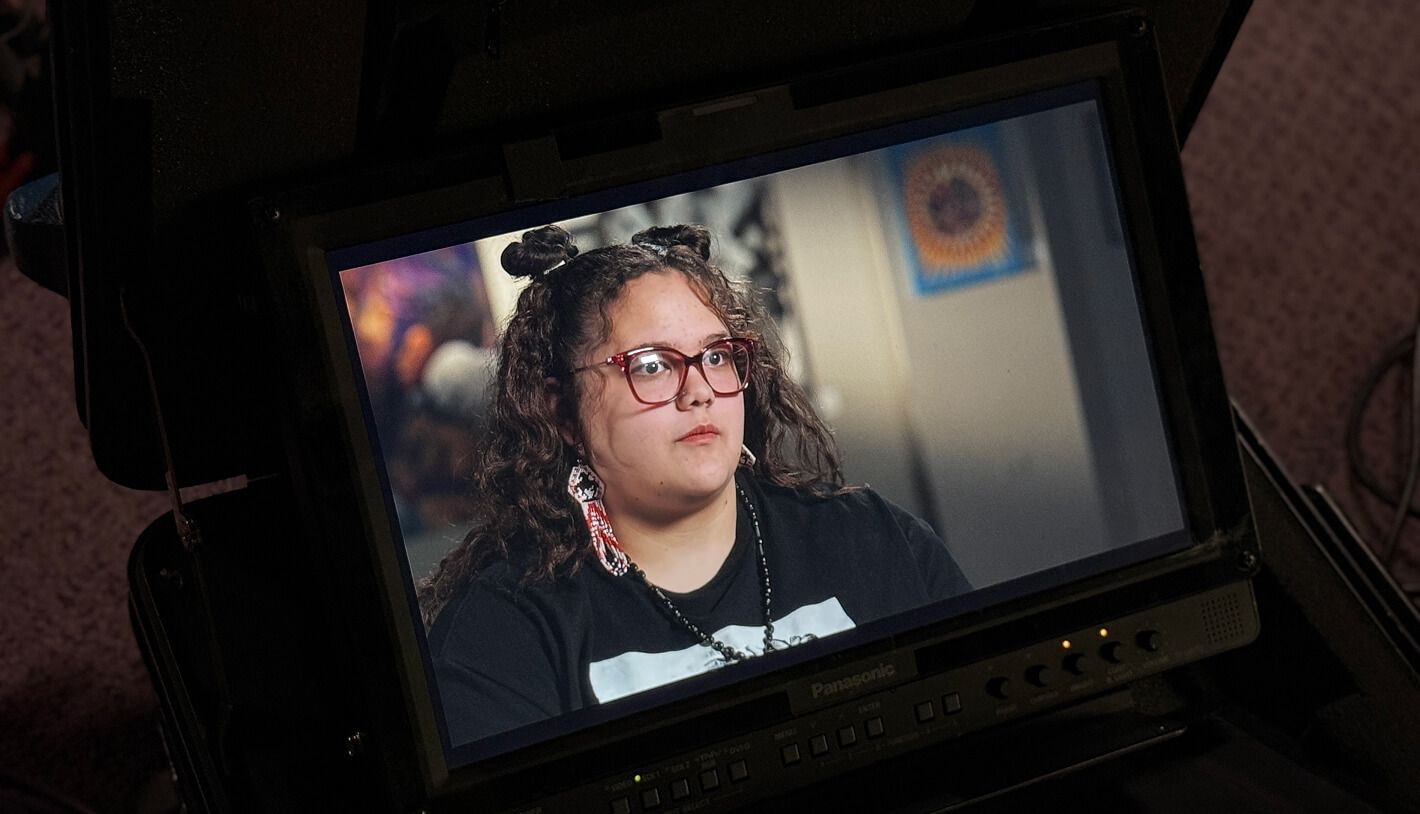
Relationship dynamics are complicated. When things turn toxic it can be difficult to get out—and that can be hard for children. In this video, the 303 Indigenous Productions youth producers give their thoughts on how to recognize the signs of an unhealthy relationship. Do you agree? Tell us why or why not.
Wondering how you can tell if the relationship you’re in now is healthy? Here are some signs to look out for—for you and your child1 :
- The two of you respect each other—No one is better or has an unfair advantage over the other person. You honor each other's cultural beliefs. As the Creator Wheel shown above illustrates, a life with the Creator and traditional spirituality at its center promotes respect and does not support using abuse.
- You and your partner don’t try to control each other—Neither of you tries to track each other’s location, expects the other person to spend all their time together, or uses your child as a method of control or as a bargaining chip during an argument.
- The two of you lift each other up instead of tearing each other down—You’re a cheerleader for your partner, and your partner does the same in good times and bad.
- You’re grateful for what you do for each other—Gratitude in action is when you tell your partner thank you for washing the dishes or doing the laundry while you’re at work. Traditionally, Native families have practiced shared responsibilities across household tasks, decision-making, and childcare.
- Your partner is interested in your child—Maybe they have a special activity they do together, just the two of them. Your partner should never ignore your child or make you feel like you have to choose between your child and them.
- The two of you make an effort to spend time together—. Your child will notice whether or not you like spending time together. Make time for a date night and find activities that you both enjoy.
- You’re able to resolve conflict together—Screaming at your partner and calling each other names in front of your child is not a healthy way to deal with conflict. Instead, you focus on the problem, not the person, and make sure you always fight fair.
If at any point you feel unsafe in your relationship or pushed to do something you don’t want to do, it’s ok to ask for help. You can access 24/7 support by calling the StrongHearts Native Helpline at 844-7NATIVE (762-8483). This is a safe, confidential, and anonymous domestic and sexual violence helpline for Native Americans and Alaska Natives.
What’s your reaction?
Your reaction has been submitted
- Adapted from Centers for Disease Control and Prevention. National Center for Injury Prevention and Control. (2005). Choose respect community action kit: Helping preteens and teens build healthy relationships.