My Path
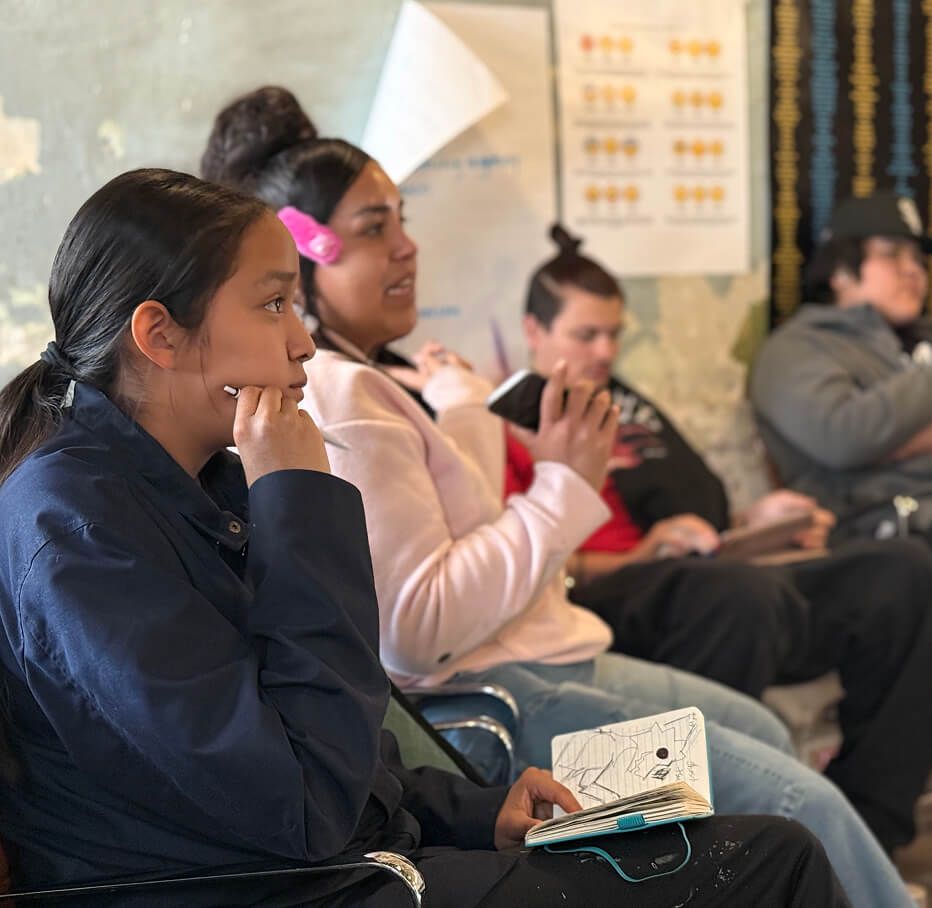
What steps should I take to find economic flexibility?
Have you ever thought about your purpose in life? While we all have to work to make money to live, identifying your purpose can help you decide how you want do that.
Several things determine whether someone will be able to find their purpose and live their dream. One main one is your economic potential. Your potential is based on your circumstances at birth.
Generally, we know what happens to most people born in the U.S. based on what they’re born into. Native youth face many economic challenges and your “potential” is considered low compared to other social groups.
We spend a lot of time and energy trying to change our potential to change our lives and improve our happiness. That's because we think that money equals happiness.
But is that really true? Instead of what you can get, think about how you can contribute. To yourself, to your family, and to the community. This is known as economic flexibility. It's your ability to balance “work” with relational Native traditions of balance, respect, and harmony.
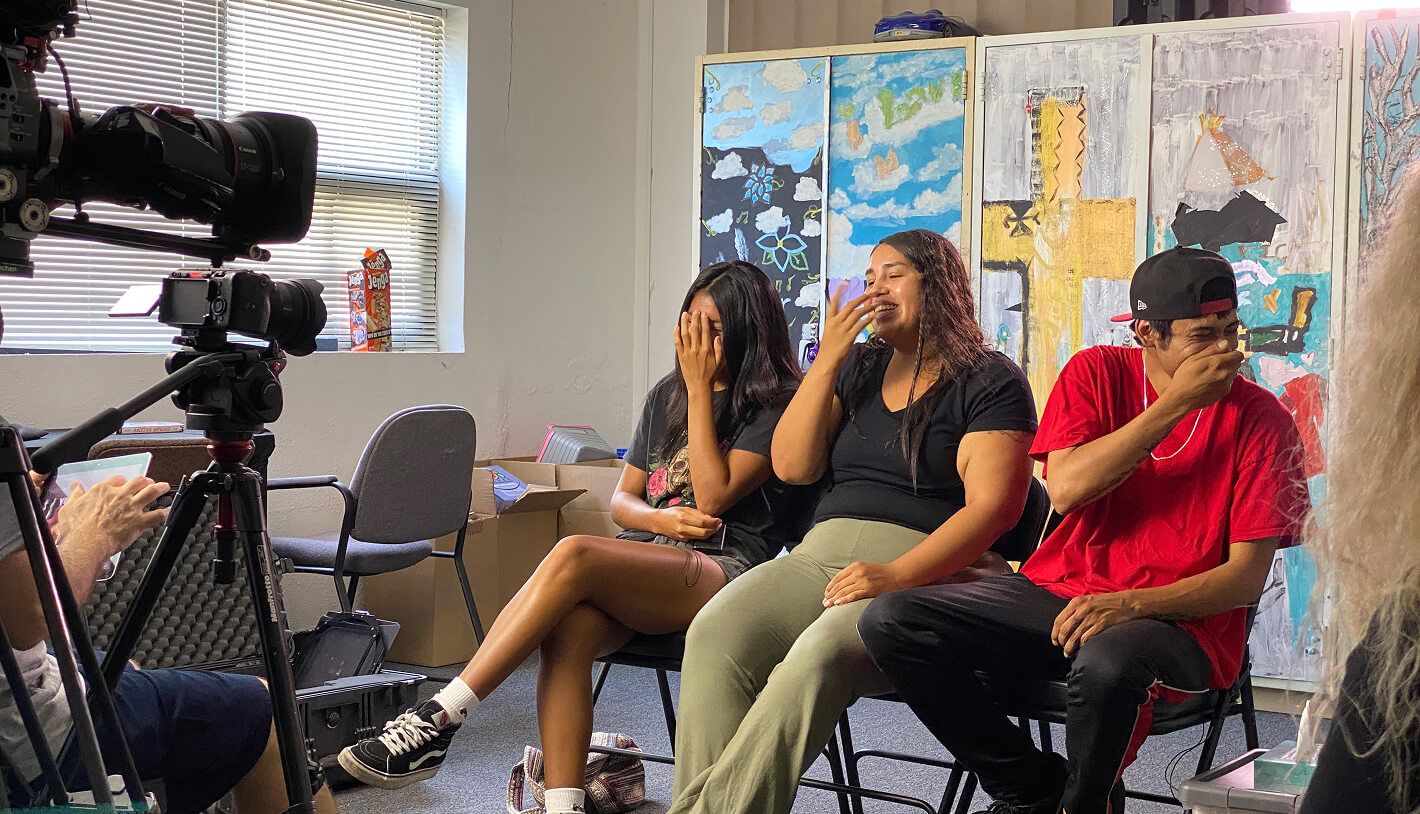
Economic flexibility gives you the freedom to arrange what’s most important in life without worrying about having enough money to live a life that keeps you and your family safe and comfortable. In this video, the 303 Indigenous Productions youth producers explain the role economic flexibility plays in their lives. Do you feel the same? Let us know.
Finding your purpose is a process of self-reflection and exploration that involves identifying your passions, values, and strengths. Native traditions rely on a relational mindset way of thinking and doing. This is a perspective that sees the bigger picture and recognizes the deep interconnectedness between personal well-being, communities, and nature.
Relational mindset actions:
- Consider how career choices impact family and community.
- Value teamwork over competition.
- Recognize that personal healing strengthens the whole community.
- Balance your needs with others’ needs.
When you combine your purpose with Native values, you are able to walk your path with intention. This looks like:
- Work as Balance—More than making money, work serves family, culture, and the land.
- Community First—Resources are shared to support collective well-being, not just personal success.
- Purpose Over Career—Work is about fulfilling a role (healer, hunter, storyteller) and using gifts from the Creator.
- Sustainability—Success means caring for future generations, not just immediate gain.
- Service & Stewardship—Work is a way to honor traditions, protect the land, and care for people.
Once you identify your purpose, getting your education is the next step. That doesn’t necessarily mean college. A trade school or performing arts program may be a better option based on your passions and strengths.
What’s your reaction?
Your reaction has been submitted